LISTEN TO THE EPISODE:
APPLE PODCASTS | SPOTIFY | OVERCAST
When most people think about kink, they picture extremes—leather, chains, wild parties, maybe even images straight out of Folsom Street Fair. The truth is, kink is a lot richer, gentler, and more joyful than the stereotypes suggest. Even within the LGBTQ+ community, many don’t realize how deeply woven kink is into queer history and how central it is to queer liberation.
Today, I’m showing you why kink isn’t just a side-note—it’s queer history in action. I’ll also give you steps for radically reclaiming joy and self-ownership through kink, whether you’re brand new or deeply experienced.
IN THIS EPISODE
- Why kink is deeply woven into queer history—not just alongside it.
- How playful rituals and radical self-ownership can unlock queer joy.
- Myths about BDSM and kink, busted for good.
- Practical tools for exploring kink, whether you’re shy, bold, single, or partnered.
- Steps to embrace your unique kink style and build empowering queer community.

Kink Is More Than Whips and Chains
The biggest misconception about kink is that it’s only about sex—or that it always has to be extreme. The real heart of kink is radical self-ownership: reclaiming your body, pleasure, and desire outside the vanilla “scripts” that most of us are handed. Kink is about choosing joy, freedom, and creativity over shame.
When I first started exploring kink, I felt lost because it didn’t look like the scenes from the movies. But when I gave myself permission to play, I realized kink was about joy—a radical sense of freedom, not performance. It was a taste of living on my own terms, not just following mainstream expectations.
What Really Is Kink?
Kink is any playful, creative, or intentional act that exists outside vanilla sex and relationships. “Vanilla” isn’t bad—it’s just not the only flavor on the menu. Kink asks: What else could pleasure look like? What else could connection look like? Sometimes, that’s roleplay or bondage. Other times, it’s as simple as lighting a candle before solo play, or wearing clothes that make you feel powerful.
Understanding BDSM
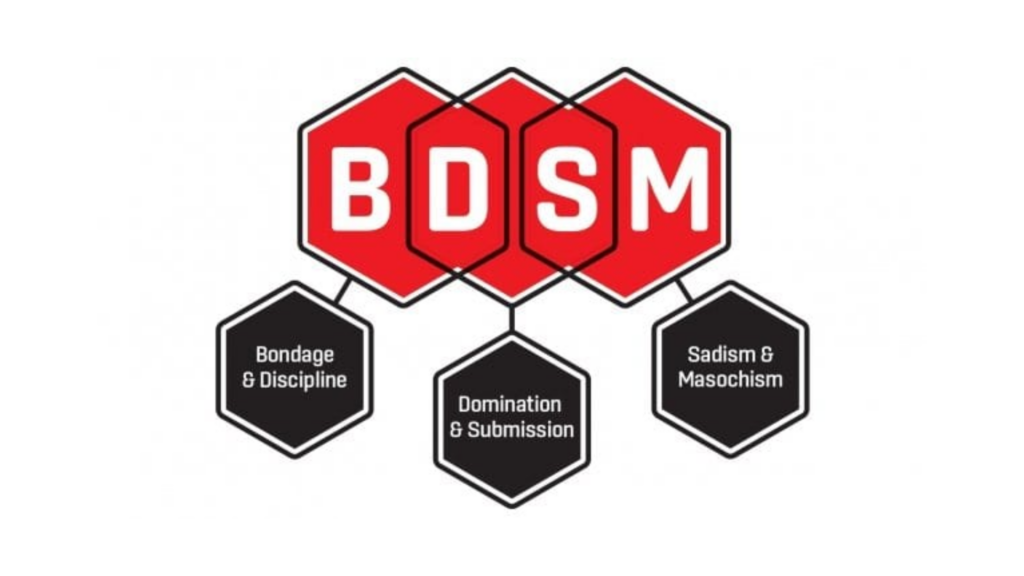
You’ll often hear me say “BDSM”—but what does that mean? It’s more than handcuffs and discipline:
- B is for Bondage: Using restraints (like rope, cuffs, or a scarf) to limit movement, sparking playfulness, comfort, or excitement.
- D is for Discipline: Structure, rules, and rituals—sometimes including punishments, but also training and accountability.
- D/S is for Dominance and Submission: The power exchange dynamic, where one person leads (the Dom) and the other yields (the Sub). It’s about consensual trust, not hierarchy.
- S/M is for Sadism and Masochism: Giving/receiving intense sensation (like spanking or even tickling). For many, it brings release, catharsis, and—yes—joy.
You can try any, all, or none of these. The key is that everything is built on consent, communication, and choice.
Busting the Kink Myths
Let’s clear up three big misconceptions:
- Kink = Abuse. In reality, healthy kink is rooted in respect, trust, and enthusiastic consent. Many kink spaces have much better consent practices than mainstream dating!
- Kink is always sexual. Many rituals are non-sexual. I know people who meditate daily in their BDSM collars; it can be about empowerment and grounding as much as sensuality.
- Kink means extremes. Most kink is gentle, creative, or quiet. If your only knowledge comes from Fifty Shades of Grey or internet rants about Pride, know that kink can mean laughter, trust, and play.
The Overlap: Kink and Queer Joy, Side by Side
So what does all this have to do with queer history and queer joy? Actually, everything.
Kink and Queerness: Always Connected
Kinky and queer communities have shared histories from the beginning. Leather bars, drag shows, and early Pride marches all featured kink front and center. Why? Because both queer folks and kinksters have always been told, “You’re wrong for wanting what you want.” But instead of shrinking back, we made space for one another—spaces driven by joy, acceptance, and yes, resistance.
Kink Was—and Is—Radical Resistance
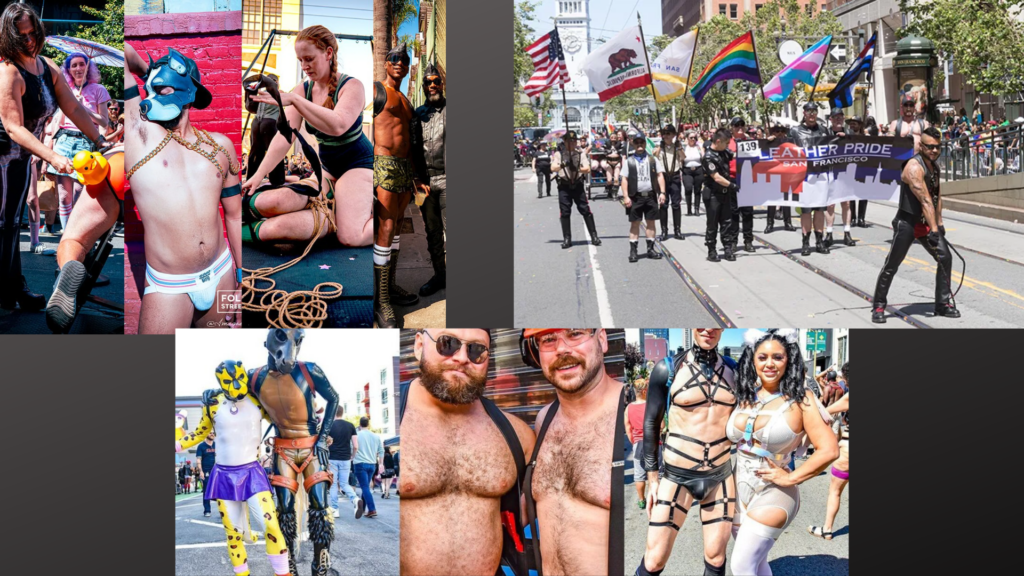
Before mainstream acceptance of LGBTQ+ rights, kinky subcultures often provided many queer people with their only safe places for intimacy, desire, and love—far from shame and judgment.
One of my favorite examples is the hanky code (flagging). By tucking colored bandanas in their pockets, people discreetly signaled their kinks, roles, or interests. The right color in the right pocket could connect you with like-minded folks, all under the radar. To outsiders, it looked like decoration; to those “in the know,” it built instant community. In many ways, it was Grindr before smartphones!
But flagging wasn’t just about sex—it was about finding each other and surviving in a world that wanted us invisible.
Kink, Shame, and Mainstream Erasure
Today, whenever critics attack Pride or the LGBTQ+ community, they still point at the extremes—public nudity at Folsom or San Francisco’s more outrageous events. But this erases the quieter truth: for most, kink and queerness are about joy, creativity, and connection, not spectacle.
Kink pride is about saying: My body is mine, my pleasure is mine, and I can choose my own happiness. That’s radical self-ownership—right down to your core.
Radical Self-Ownership: What Does That Mean?
Radical means going to the root. Self-ownership means reclaiming what has always been yours: your body, your joy, your queerness. Kink becomes transformative when it lets you write your script instead of following the mainstream’s limited idea of pleasure.
Ways to Practice Radical Self-Ownership with Kink
- Claiming Your Body: Kink helps you say, “This is what feels good for me,” whether it’s bondage, being worshiped, or simply saying ‘no.’ Consent and safe words, like “yellow” to slow things down or “red” to stop, give you real agency.
- Creating Freedom: In kink, you write your own rules. You can go gentle or extreme, solo or partnered, sexual or not—the only must is consent.
- Building Community: Kink has always supported chosen family, from leather bars to modern dungeons—community reminds us: you’re not broken, you’re fabulous.
How to Bring Queer Joy Into Your Kink This Week
Ready to explore your radical joy? Here are three steps to bring more queer joy through kink—at your own pace.
1. Redefine Pleasure for Yourself
Start small: Journal about what feels good—textures, sensations, music, or even ice cubes. Or, get a little wild with sensory play: try blindfolds, restraints, or everyday items like clothespins and wooden spoons. Let your imagination go.
2. Create Ritual
Ritual can be as simple as lighting a candle or saying a mantra before bed. Or set up a partnered ritual scene, dress in fetish gear, or try a symbolic act of empowerment—like a Dom/sub ritual at the door. These routines create safety and connection.
3. Do One Radical Act
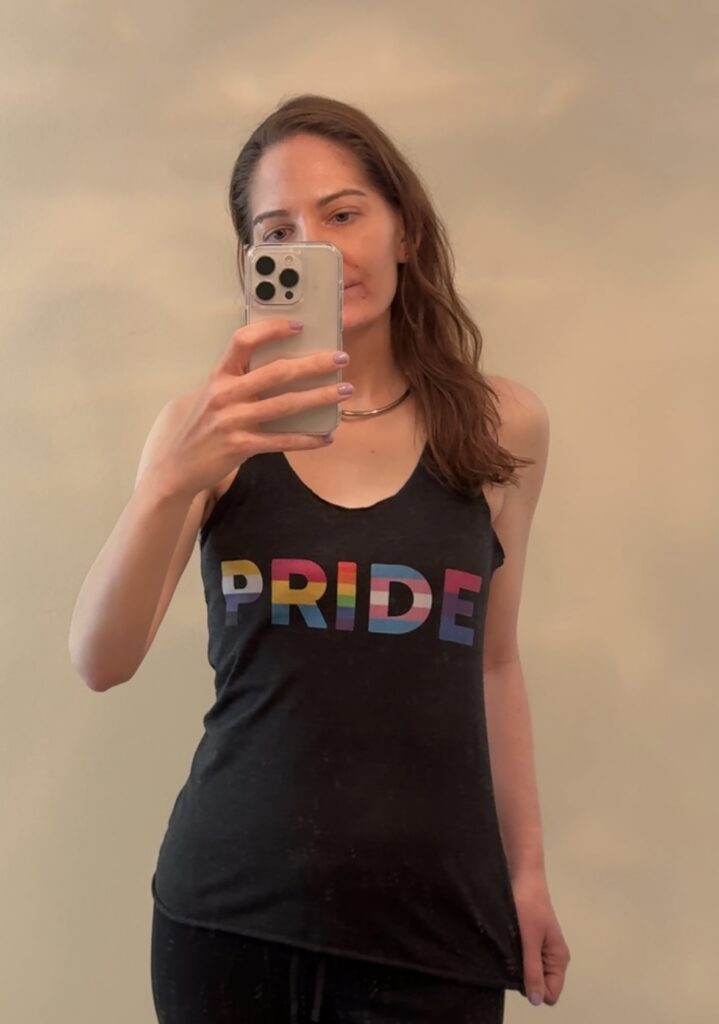
This could be wearing something kinky or queer in public (like a pride shirt or discreet collar). Want to go bigger? Visit a dungeon, attend a kink workshop, or show up at Pride in your best leather. Every choice, tame or wild, is a step toward joy.
Start Your Own Radical Self-Ownership Journey
Remember: Kink isn’t about extremes. It’s about authentic, unapologetic self-celebration. Queer joy is not a luxury—it’s revolutionary. Claiming your space, your pleasure, and your body is a radical act.
If you’re curious where to start, try our free Kink Personality Quiz It’s quick and will give you personalized ideas for embracing your joy—and connect you with more resources to continue your journey.
So go ahead: write that journal, light that candle, wear that harness, or take that class. Whatever ‘radical joy’ means for you—claim it. Your body, your pleasure, and your queerness are yours. That’s worth celebrating.
Links From the Episode:
Want more? Sign up for my newsletter and get BDSM tips on the regular.