LISTEN TO THE EPISODE:
APPLE PODCASTS | SPOTIFY | POCKET CASTS
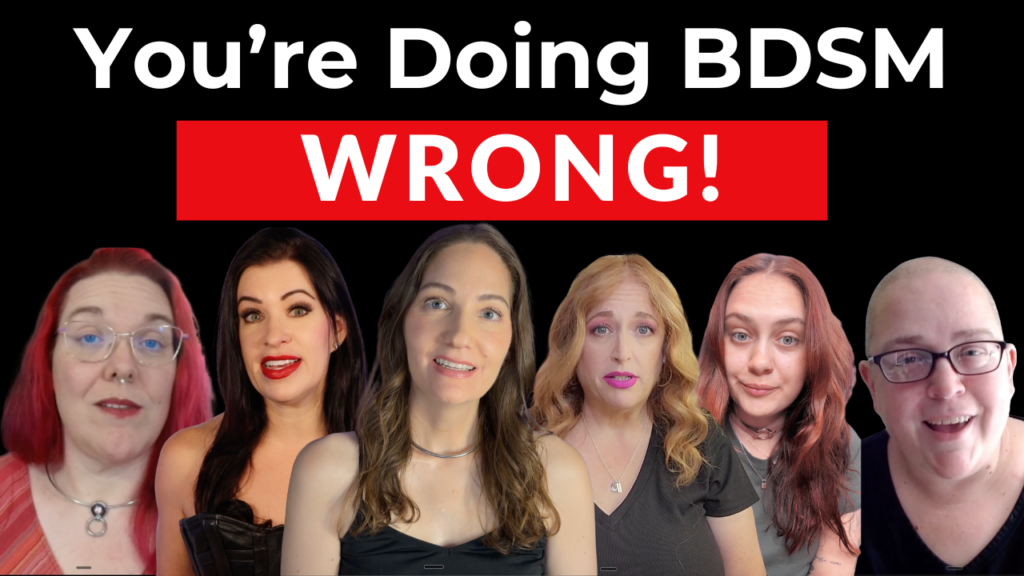
Everyone makes mistakes, especially in BDSM. Whether you’re a Dominant, submissive, switch, new, or experienced, there are some misunderstandings that just keep popping up. But what if I told you that five of the leading BDSM educators I spoke to all pointed to the same root problem, even if their answers sounded different at first?
Today I’m rounding up their expert insights to help you avoid these common BDSM pitfalls, and to give you practical advice you can use in your dynamic, no matter what your experience level.
IN THIS EPISODE
- Learn the most common mistake in BDSM relationships—and why even experts warn against it.
- Discover how to keep your sense of self and avoid losing your identity in a power exchange.
- Learn why clear communication and personal boundaries are keys to BDSM success.
- Uncover the truth about “topping from the bottom” and how to advocate for your needs without guilt.
- Learn simple ways to grow, evolve, and strengthen your dynamic as both a Dom or sub.

What Are the Most Common Mistakes in BDSM?
If you’re like most people, you’ve asked yourself at least once: “Am I doing this right?” I know I have, even years into my journey. Doubt and perfectionism are common in our community, especially with all the glamorous, “picture-perfect” kink you see online.
The number one thing the experts agreed on? Overcomplicating BDSM and worrying that you’re not “doing it right” is a huge mistake. As long as you’re keeping things safe, sane, and consensual, you’re probably on the right track.
Stop Overthinking—BDSM Is Supposed to be Play
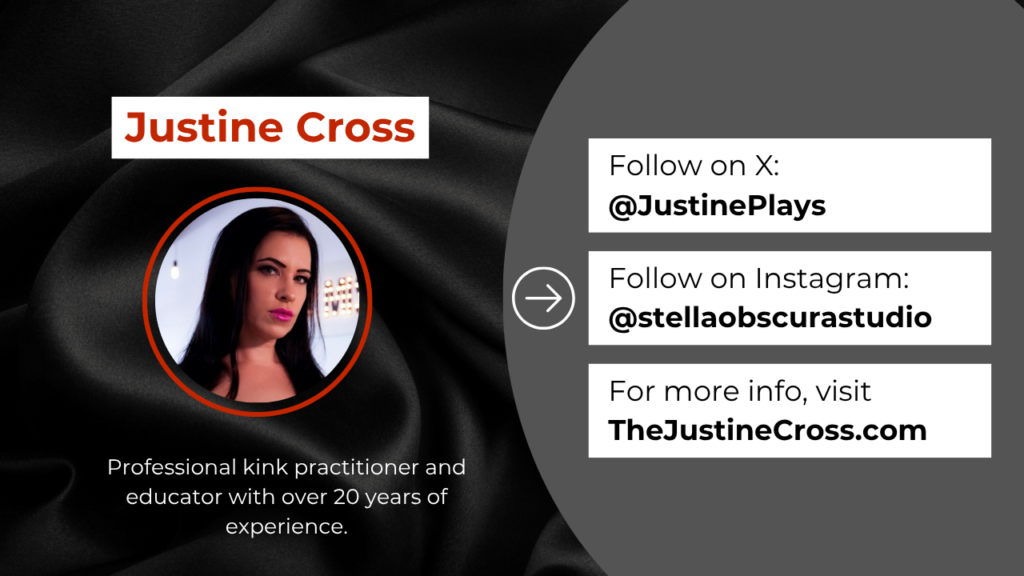
Justine Cross, an LA-based Pro Domme and educator, has seen everything in her twenty-plus years running dungeons. Her advice is simple: “As long as you’re not harming yourself or another person, you’re doing it right!” People often stress about tying knots the “wrong” way or not looking Dominant or submissive “enough.” But BDSM isn’t a performance. It’s play, where exploration, laughter, and enjoyment matter more than perfection.
That means you can tie a knot differently than someone else, use a random mixing spoon as a paddle, or try out a new dynamic; if it’s safe and everyone’s on board, it counts. The only true “wrong” in BDSM is risking serious harm, like breath play alone or leaving someone tied up and unattended. Everything else? It’s just about communicating, having fun, and learning together.
The Truth About Submission: You Don’t Disappear
There’s a myth out there that being a “good” submissive means erasing yourself, handing over all your decisions, happiness, or even identity to your Dominant. Luna from Submissive Guide, one of the most trusted voices in online kink education, says this couldn’t be farther from healthy BDSM.
Submission doesn’t mean giving up your sense of self, goals, or the things that bring you joy. You’re allowed (and encouraged!) to have needs, limits, and hobbies. In fact, nurturing your own growth and self-knowledge makes you a better partner, no matter your role.
A healthy dynamic includes two whole people, each responsible for themselves and ready to communicate honestly. Losing your voice or boundaries isn’t submission; it’s a red flag. Submission at its best is an intentional offering, not self-obliteration.
Don’t Outsource Your Emotional Regulation
It’s easy to fall into the trap where your partner becomes responsible for all your emotions, especially in an intense D/s dynamic. Maya from Obedience App calls this “outsourcing your emotional regulation,” and stresses it’s a risky road.
Real intimacy in BDSM isn’t about merging into one person or expecting your Dominant or submissive to regulate your anxiety, shame, or stress. Differentiation, the balance between connection and individuality, makes relationships (and power exchange) stronger.
Your dynamic can structure and support you, but no one should have to do your inner work for you. Learn to self-soothe, communicate transparently, and hold yourself outside of scene dynamics. Your relationship will be all the healthier for it.
Why Labels Aren’t Everything
Many Dominants and subs find a home in their identity, proclaiming themselves a “strict Dom,” “obedient sub,” or even getting deep into specific kinks. That’s great, and community is important, but over-identifying with a single label? Not so much.
Chris Maxwell Rose from Pleasure Mechanics warns that when we over-identify with our kink roles, we can box ourselves in and shut out growth. You’re going to change as you learn, age, and move in the world. Your desires may shift. You might want to switch roles, explore new sensations, or even step into different leadership or service positions in the community.
That’s not just okay, it’s expected! BDSM is about “always becoming.” Give yourself permission to grow, experiment, make mistakes, and keep evolving. The most satisfying power exchange relationships come from embracing fluidity and change, not fighting it.
The Truth About “Topping from the Bottom”
Few phrases spark as much anxiety in new submissives as “topping from the bottom.” But Princess Rara from the Pink Kink Podcast says this concept is often misused, and sometimes even dangerous.
Here’s the real deal: advocating for yourself by communicating your needs, limits, or preferences isn’t topping from the bottom. You need to have a partner manual; how else will your Dominant know exactly what works for you, what’s safe, and what triggers you? The real issue comes when someone tries to take control of the dynamic from the role they’ve agreed not to lead from, like scripting every move in a scene due to fear or mistrust.
If your partner keeps giving explicit instructions out of anxiety, it’s probably a trust issue, not some unforgivable kink sin. Address it with curiosity and compassion, not accusations. Remember, Dominants can “bottom from the top” too by abdicating responsibility or always seeking validation. The goal for everyone: open communication about needs and limits, and a commitment to deep listening.
The Biggest Secret: BDSM Is About Personal Growth
Looking for stronger intimacy, a spicier bedroom, or the thrill of taboo? Most people start exploring BDSM for these reasons. But over time, almost everyone discovers the real gift: personal growth.
BDSM is more than collars, gear, and rituals. At its core, it’s a journey that asks you to level up your honesty, patience, self-awareness, and accountability. It holds up a mirror to our deepest desires and fears.
If you’re willing to do the “inner work”, to question your patterns, challenge your boundaries, and talk about what you need versus what you want, your dynamic (and your partnership) will only get stronger. That’s the part nobody tells you about, but it’s what can truly transform your life.
Your Takeaways for Healthy BDSM

- Don’t stress about doing BDSM perfectly. If you’re being safe, informed, and consensual – relax, enjoy, and try new things.
- Submissives: you matter! Keep up your boundaries, communicate wants, needs, and limits, and never lose your sense of self.
- Learn emotional regulation on your own. Don’t expect your partner to “fix” your feelings.
- Let your identity and kinks evolve with you. Change is a sign of growth, not failure.
- Speaking up is healthy. The real “topping from the bottom” is about control, not communication—so don’t be afraid to share!
- Most importantly: approach BDSM as a tool for personal development, not just a sexy hobby.
Don’t Let Myths Keep You From Enjoying Your Dynamic
BDSM can be fun, intense, vulnerable, and downright life-changing. But don’t let myths or perfectionism keep you from truly enjoying your dynamic. Remember: mistakes are just stepping stones on the path to better connection, trust, and self-discovery.
Want more resources, free workbooks, and insider tips? Grab your free BDSM toolkit here. Keep exploring, keep communicating, and keep letting yourself evolve. You’re doing it right.
Links From the Episode:
- Justine Cross
- Luna from Submissive Guide
- Maja from Obedience App
- Chris Maxwell Rose from Pleasure Mechanics
- Princess Rara from Pink Kink Podcast
- Access your free gift
Want more? Sign up for my newsletter and get BDSM tips on the regular.